Bee Stings on a Camping Trip: A Calm, Simple Homeopathy Plan

The “Ouch!” Moment by the Fire

It was the kind of camping night you wait for all year—sun setting, kids running around, and dinner finally finished. Then Jenna heard it: that sharp cry that makes your stomach drop.
One of the kids had been stung by a bee.
Within minutes the spot was red and swelling. Then came the itch. Then the big question every parent has: “Is this a normal reaction… or is it getting worse?”
Most bee stings cause a local reaction—redness, swelling, itching, heat, or stinging pain. In homeopathy, what matters most isn’t only what stung you, but how the body reacts afterward.
The good news: when you stay calm, cool things down, and keep prepared with a couple key remedies for insect bites and stings, these moments become much more manageable.
Ice + Cream + “Wait It Out”: The Standard Approach
Conventional sting care often includes washing the area, ice/cold packs, antihistamines, anti-itch creams, and sometimes pain relievers—plus “wait and watch.”
That can be helpful, but it often treats every sting the same way—even though the reaction can look very different from person to person.
Antihistamines can help itching and swelling, but they can also cause drowsiness, dry mouth, and sometimes irritability (especially in kids). Anti-itch creams can sting or irritate sensitive skin, and pain relievers can sometimes upset the stomach—which is why many families like having a gentler option on hand.
Match the Reaction: Apis vs Ledum
Here are two of the top remedies for bee stings (and other insect bites or stings).
In homeopathy, the “right” remedy depends on the symptom picture—because a bee sting can show up differently in different people.
Before you choose a remedy, take 10 seconds to notice what stands out most in the reaction. Compare what you’re seeing to the two remedy pictures below, then choose the closest match—because in homeopathy, the reaction pattern matters more than the label “bee sting.”
Apis mellifica 30

Think of Apis when the reaction is hot, puffy, and swollen.
Marked redness + swelling
Area feels hot
Worse from heat
Puffy, oedematous swelling is the main feature
Hallmark: hot, puffy swelling that is worse from heat.
Ledum palustre

Think of Ledum when the sting area feels cold, puffy, bruised, or sore, and often feels better with cold applications..
Redness + swelling
Stinging or prickling pains
Affected part may feel cold
Better from cold application
Hallmark: stingy, puncture-type reaction that feels better cold.
Frequency:
Start with one dose, then repeat based on severity.
If it’s mild to moderate, repeat every 3–4 hours.
If it’s more intense, repeat every 1–2 hours at first.
For very intense reactions, repeat every 15–30 minutes at first until you begin to see improvement.
As improvement begins, reduce the frequency (often anywhere from every 3–12 hours), then stop once clearly better.
Stop when very much better.
A Little Extra Soothing (On the Skin)
Pro tip: it’s a great idea to carry a small topical option in your bag—especially when you’re traveling, outdoors, or camping—so you can soothe the skin quickly while the reaction settles.
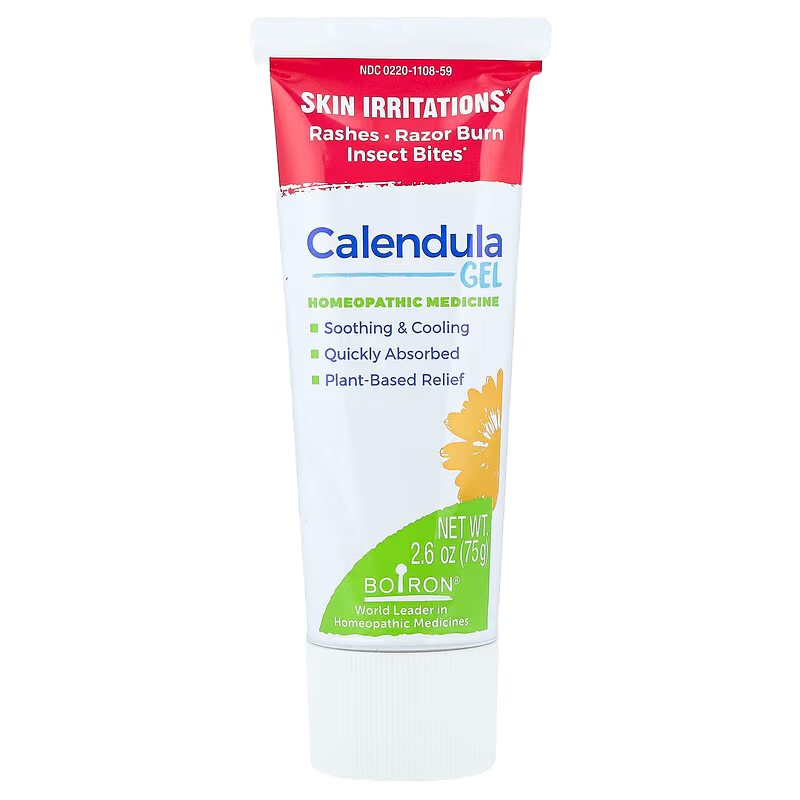
If you want a soothing topical layer, here are a few gels I often recommend (use as directed on the product):
Dapis® gel

Calendula gel
Before You Pack Up: One Last Note
Bee stings are stressful—especially when it’s your child and you’re far from home. But once you learn to spot the reaction pattern and utilize homeopathy, you can respond with a lot more confidence and help take control of the the situation
If you’re curious to learn more about how homeopathy can support you, your friends, family, and even your pets, we invite you to subscribe to our mailing list. You can also follow us on Facebook and Instagram for daily tips, stories, and community connection.
~ Lisa Heinrichs PHom M
The Author disclaims all liability for any loss or risk, personal or otherwise incurred as a consequence of use of any material in this article. This information is not a substitute for professional medical advice, diagnosis or treatment.


Comments