When Heart Health Is Personal: A Story of Palpitations, Prevention, and Listening Early


💗 When Heart Health Runs in the Family
For Anna, heart health was never an abstract concept. It was personal.
She grew up knowing that heart conditions ran in her family. Her mother had struggled with heart problems for years—and eventually passed away from a stroke.
Those experiences stayed with Anna, quietly shaping how she viewed her own health long before she ever felt a symptom herself. So when, during a routine doctor’s visit, her physician mentioned wanting to “keep an eye” on her cholesterol levels because of her family history, it didn’t feel alarming—but it did feel important. It was a reminder that her heart deserved attention now, not someday.
Years later, when Anna began experiencing occasional heart palpitations and episodes of chest discomfort, she didn’t ignore them. The sensations were subtle at first—a flutter here, a tightness there—but given her history, she listened closely.
💊 Conventional Treatments — Relief with a Cost

In conventional care, a family history like Anna’s often leads to early monitoring and preventative medications. Doctors commonly recommend statins to manage cholesterol, along with low-dose aspirin to thin the blood or nitroglycerin for episodes of chest pain.
Anna understood the role these medications play—but her concerns were shaped by experience. She had watched her mother struggle to come off nitroglycerin, needing higher and more frequent doses over time. That left Anna wary of relying on something that felt more suppressive than truly corrective.
She also learned that statins work by reducing the body’s natural cholesterol production, even though cholesterol is essential for many bodily functions. And while daily low-dose aspirin was once widely recommended for heart prevention, there is growing evidence of it being superfluous and it’s now known to carry risks—such as internal bleeding, stomach irritation, ulcers, and potential drug interactions.
Together, these insights led Anna to explore gentler approaches to heart care—options focused on balance, prevention, and working with the body rather than overriding it.
🫐 Which Homeopathic Supports She Chose — A More Gentle Path
Rather than waiting for problems to escalate, Anna chose to be proactive.
After learning—through anecdotal experiences and traditional use—about the circulatory benefits of cayenne, she began taking it regularly as part of her routine by adding it more into her foods.
She also incorporated Crataegus oxyacantha (or sometimes it can be found as Actaea racemosa) in a mother tincture, taking 10 drops twice daily.

Traditionally, Crataegus (also known as Hawthorn Berry) is known in herbal and homeopathic circles for its powerful role in heart and circulatory health. It’s often discussed for its potential to:
help with arteriosclerosis by having solvent powers upon crustaceous and calcareous deposits in arteries
helps regulate both high and low blood pressure
Support circulation by working with the body rather than suppressing symptoms
For Anna, this approach felt fundamentally different. Instead of manipulating the body, she felt she was working with it.
When it came to acute moments—times when she felt chest pain or heart palpitations—Anna made different choices than the ones she had seen prescribed so often.
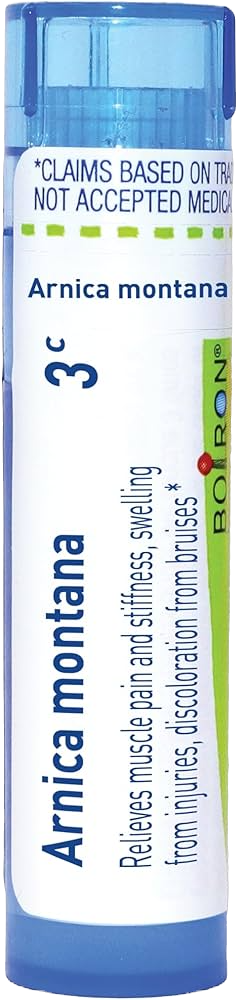
Arnica 3c can be taken twice daily as a gentle option to support cardiovascular health and circulation without any risks or side effects.
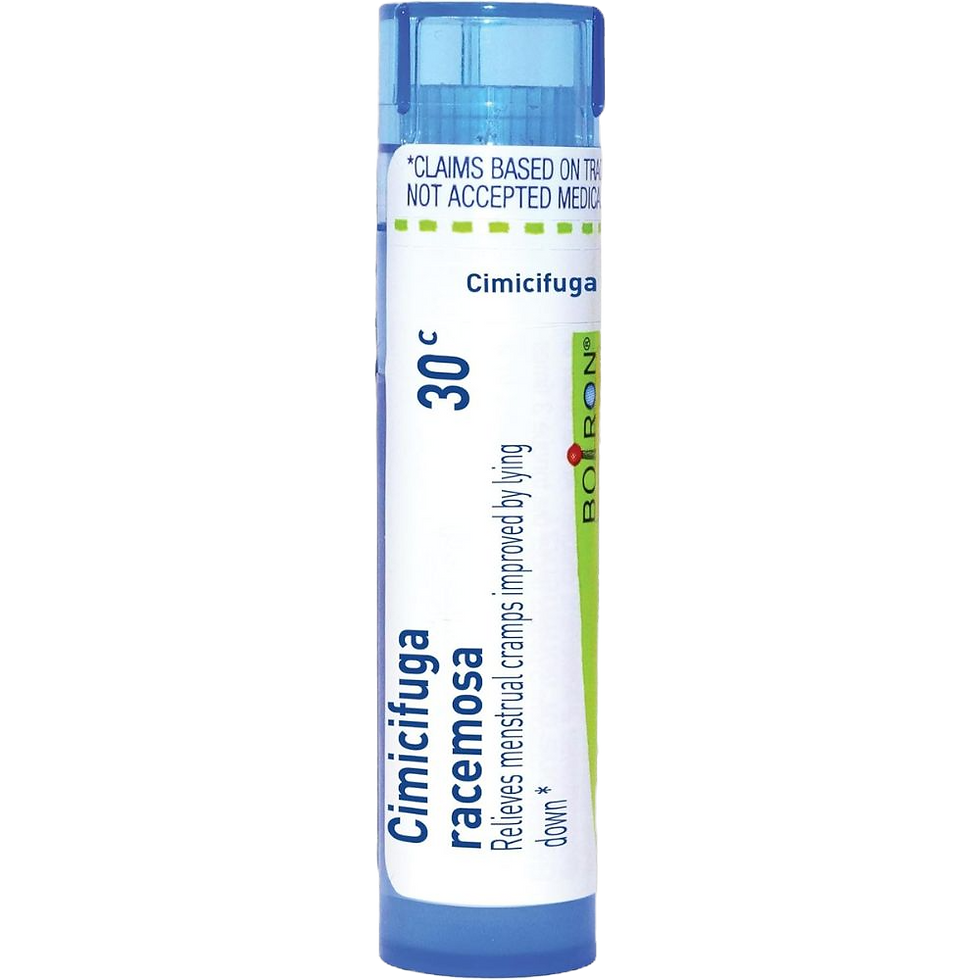
When palpitations or chest discomfort appeared, she took Cimicifuga 30C, twice daily until the symptoms resolved.
It’s important to note that heart palpitations can have many causes, and homeopathy recognizes many different remedies depending on the individual. Cimicifuga was simply the remedy that worked particularly well for her—especially when symptoms seemed connected to stress or nervous tension.
🏃♀️ A Note on Daily Lifestyle Choices and Heart Care
Supportive remedies work best when paired with daily habits that nourish the heart. Gentle, regular movement helps keep circulation flowing, while balanced, whole-food nutrition provides the building blocks the heart needs to function well. For Anna, this wasn’t about strict rules—it was about choosing movement and foods that reduced stress and supported her body naturally.
💖 Listening to the Heart with Compassion

Heart palpitations and chest discomfort can feel unsettling, but they can also serve as a quiet invitation to slow down, breathe, and care for yourself more deeply. Gentle approaches like homeopathy remind us to listen—to the rhythms of our bodies and the emotions that shape them.
If you’re curious to learn more about how homeopathy can support you, your friends, family, and even your pets, we invite you to subscribe to our mailing list for ongoing education and gentle wellness insights.
You can also follow us on Facebook and Instagram for daily tips, heartfelt stories, and community connection.
Your heart does so much for you—supporting it starts with listening. 💗
~ Lisa Heinrichs PHom M
The Author disclaims all liability for any loss or risk, personal or otherwise incurred as a consequence of use of any material in this article. This information is not a substitute for professional medical advice, diagnosis or treatment.

Comments